The Timeless Sound of Jazz in a Modern World

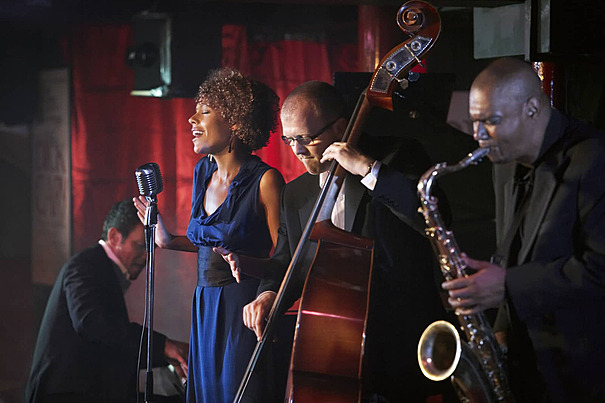
Jazz has always been more than music—it’s a conversation. From smoky clubs in the early 20th century to today’s digital streaming platforms, the genre continues to evolve while keeping its soul intact. Artists like Miles Davis and John Coltrane helped define the sound of jazz through innovation, improvisation, and fearless experimentation.
What makes jazz so unique is its freedom. Unlike many other genres, jazz thrives on spontaneity. Musicians don’t just play the notes—they interpret them, reshape them, and sometimes completely reinvent them during a performance.
Today, jazz has found new life online. Independent producers, bedroom musicians, and global collaborations are expanding the genre beyond traditional boundaries. Streaming platforms and online radio stations allow listeners to discover everything from classic bebop to modern jazz fusion with just a click.
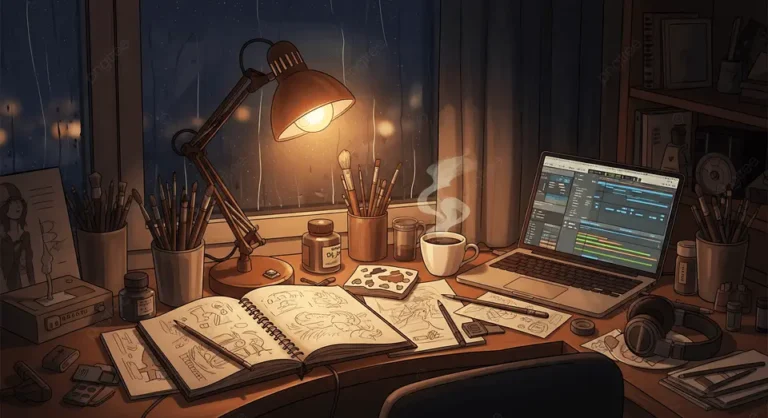
The modern jazz landscape also blends genres effortlessly. Elements of hip-hop, lo-fi beats, and ambient soundscapes often appear alongside traditional piano and saxophone arrangements. This fusion introduces jazz to a new generation of listeners who may not have grown up with it but instantly connect with its vibe.
For listeners seeking music that encourages focus, relaxation, and reflection, jazz remains unmatched. It provides a sonic environment that stimulates the mind without overwhelming it.
As the digital era continues to reshape how music is discovered, jazz stands as a reminder that great music never goes out of style. The instruments may change, the production may evolve, but the heart of jazz—improvisation, creativity, and emotion—remains timeless.